


بررسی اجمالی: چرا قیمت ماشین لباسشویی نوسان بیشتری دارد
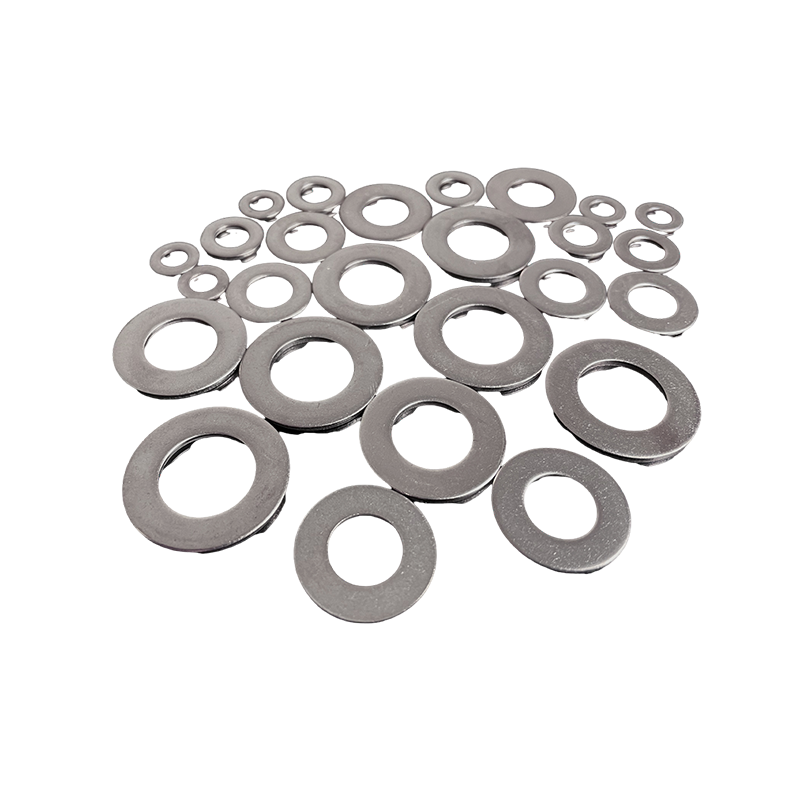
واشرهای استیل ضد زنگ are a low-margin, high-volume commodity whose price is determined not just by sheet or coil prices but by an interplay of feedstock costs, regional mill margins, freight and lead-time risk, and demand from construction, automotive and industrial OEMs. Recent years have shown that even modest moves in nickel, ferrochrome or scrap can transmit rapidly into washer quotes because thin-gauge processing and precision stamping add discrete unit costs that suppliers pass on quickly. This article breaks the main drivers into practical categories and ends with sourcing and inventory tactics for purchasers and suppliers. :contentReference[oaicite:0]{index=0}
مواد اولیه اولیه: نیکل، کروم و قراضه
The most direct input to austenitic stainless (e.g., 304/316) is nickel and chromium content. Nickel price swings influence 300-series mills' raw-cost; ferrochrome affects 200/400-series grades and alloy premiums. When nickel or ferrochrome spikes, mills raise coil prices and service centers widen spreads. Conversely, weak stainless demand in a regional market (for example a slowdown in construction) can lead to exporters discounting inventory — causing short-term price drops followed by tightness when inventories deplete. :contentReference[oaicite:1]{index=1}
آنچه خریداران باید تماشا کنند
Track LME nickel and ferrochrome indices, stainless scrap prices, and regional mill premiums. For contract negotiations, index-link clauses tied to nickel or scrap are common; buyers without index protection risk abrupt increases. :contentReference[oaicite:2]{index=2}
لجستیک، حمل و نقل و ریسک زمان سرب
Freight volatility and port congestion amplify price moves for commoditized parts like washers. Higher container rates or reduced sailings increase landed cost per kilogram, while longer lead times raise working-capital and safety-stock expenses. The impact is greatest for smaller buyers who cannot aggregate shipments: the per-unit freight share is higher and sudden rate spikes are harder to absorb. Recent UNCTAD and market analyses show that container costs and geopolitical routing issues have kept freight costs structurally above pre-crisis levels, which continues to transmit into import-dependent fastener prices. :contentReference[oaicite:3]{index=3}
اهرم های عملیاتی برای کاهش قرار گرفتن در معرض لجستیک
- در صورت امکان سفارشات خرید را به بارهای کانتینر کامل (FCL) ادغام کنید تا بار هر واحد کاهش یابد.
- از منابع دوگانه بین کارخانههای داخلی و منطقهای مجاور برای محافظت از ریسک زمان سرب استفاده کنید.
- در قراردادهای بلندمدت در مورد بندهای تخصیص حمل و نقل مذاکره کنید یا ظرفیت حمل و نقل فوروارد را در ماه های با نرخ پایین خریداری کنید.
سیاست تجاری، تعرفه ها و منطقه ای شدن
Trade measures and shifting sourcing strategies have become pronounced price drivers. Tariffs or antidumping duties push buyers toward local mills or alternate origins, where supply tightness may support higher prices even if global raw-material costs fall. In some markets, post-tariff reshoring has allowed domestic mills to secure higher blended margins, which feeds through into distributor and component prices. Buyers exposed to duty risk should explicitly model landed cost including potential tariff scenarios. :contentReference[oaicite:4]{index=4}
چرخه های تقاضا و دینامیک موجودی برای واشرها
Washers follow larger cyclical end-markets: construction, automotive, heavy equipment, electronics, and renewables. A surge in infrastructure spending or EV production raises demand for corrosion-resistant hardware; conversely, a slowdown in construction reduces stainless consumption. Because washers are produced in high volumes and small pack sizes, distributors often carry lower days-of-inventory relative to coils. That makes prices sensitive to sudden order uplifts or distributor stock-outs — situations where lead-time premiums appear quickly. Industry forecasts project steady growth in fasteners overall, but regional timing varies and creates transient tightness. :contentReference[oaicite:5]{index=5}
تاکتیک های موجودی
- طبقه بندی SKU ها بر اساس بحرانی بودن و زمان انجام. ذخیره ایمنی بالاتر را در نمرات تخصصی با سابقه طولانی نگه دارید.
- از موجودی مدیریت شده توسط فروشنده (VMI) برای SKUهای با سرعت بالا استفاده کنید تا نوسانات عرضه را هموار کنید.
- در صورت امکان، پیشبینیهای 90 تا 180 روزه مرتبط با باندهای قیمتگذاری قراردادی را اجرا کنید.
جدول تفکیک هزینه ساده (مثال)
| جزء | مثال درصد از هزینه واحد زمین |
| مواد اولیه (کویل/ورق) | 55% |
| پردازش و مهر زنی | 20% |
| بسته بندی، تست، QA | 5% |
| بار و وظایف | 10% |
| حاشیه توزیع کننده و هزینه موجودی | 10% |
استراتژی های منبع یابی عملی
Buyers and suppliers that survived recent cycles typically combine several actions: contract indexation to raw-materials, multi-sourcing with regional partners, flexible order batching, and active freight management. For engineered washers or plated/treated parts, move to make-to-order where possible to avoid inventory obsolescence. For commodity washers, lock in price bands for 3–6 months while allowing quarterly renegotiations tied to nickel/scrap. Suppliers should publish simple lead-time and surcharge schedules to reduce disputes. :contentReference[oaicite:6]{index=6}
نتیجه گیری: انتظار نوسانات دوره ای را داشته باشید، با داده ها مدیریت کنید
تغییرات زنجیره تامین جهانی به این معنی است که قیمت ماشین لباسشویی فولاد ضد زنگ با شاخص های مواد اولیه، هزینه لجستیک و تغییرات سیاست منطقه ای به حرکت خود ادامه خواهد داد. موثرترین پاسخ عملیاتی است: تقسیم بندی SKU بهتر، قراردادهای مشروط که به طور شفاف ریسک مواد خام را به اشتراک می گذارند، استراتژی حمل و نقل، و نظارت فعال بر بازارهای نیکل، فروکروم و قراضه.

 پل شماره 2، جاده Chuangxin، شهر Dainan، شهر Xinghua، شهر Taizhou، استان جیانگ سو
  +86-17315333748(Wechat)
 +86-17315333748(Wechat/Whatsapp)

